














Suppressing Science
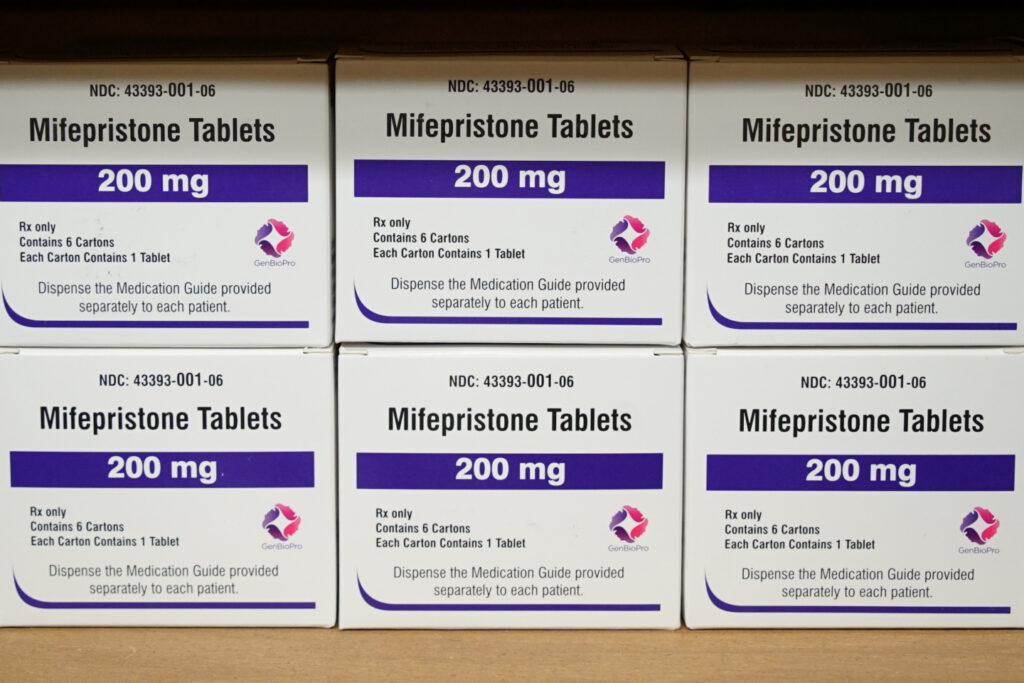
On January 29, the Supreme Court scheduled oral arguments to be held in March for Alliance for Hippocratic Medicine v. FDA, a case challenging decisions by the FDA to eliminate key regulations of the abortion drug mifepristone. Just one week later, a key study on mifepristone safety – which I coauthored – was retracted.
As far as I know, ours is the only study to measure total emergency room visits, and the subset specifically related to abortion, among women on Medicaid in the 30 days following an abortion. We found that the rate of ER visits was much higher with abortion drugs than for surgical abortions, and that rates for both methods of abortion have been increasing.
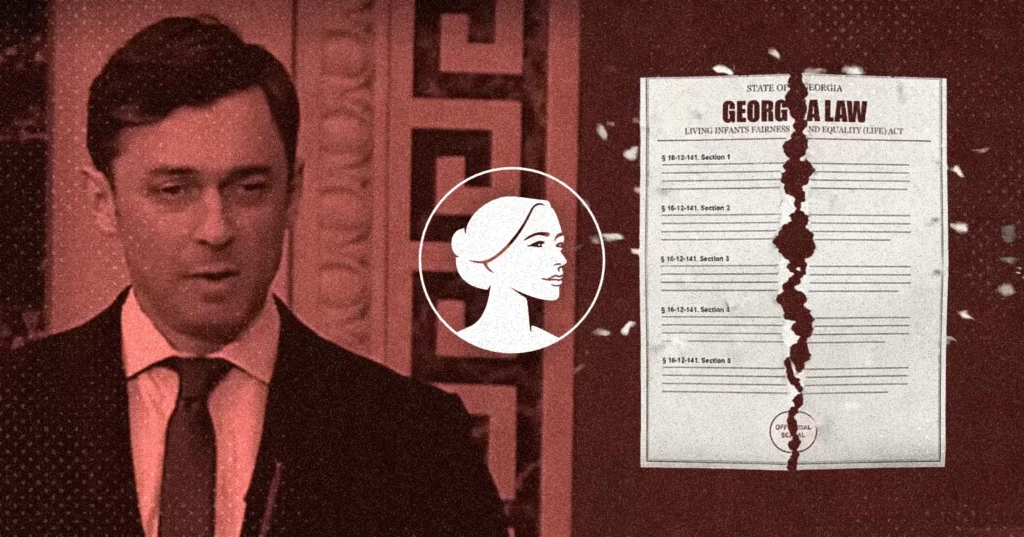
The retraction of that groundbreaking study (along with two others I coauthored at the same journal owned by Sage Publications) didn’t come out of the blue. Our research team had been informed that Sage had received a complaint from a single unnamed reader and opened an investigation into our work. But the retractions were baffling, because we had already responded to all of Sage’s concerns in full.
Continue Reading at RealClearHealthStart a Fundraiser

We fight for the voiceless everyday and we want you to stand with us. Become a Champion of LIFE by being an official fundraiser for SBA.
Fundraise