



“The Abortion Drugs Almost Killed Me” – Haile’s Story of Survival
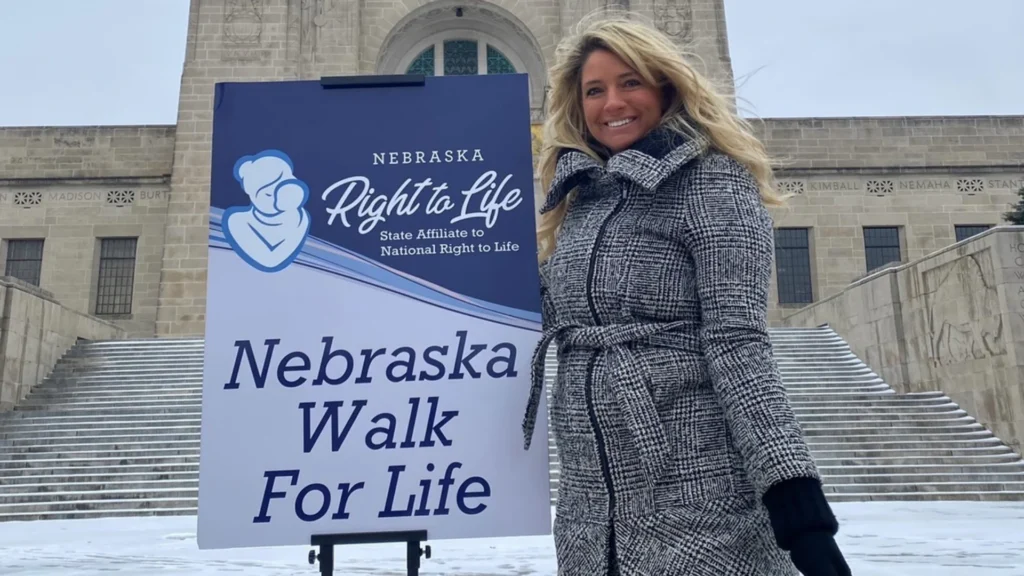
There was a time when Haile McAnally’s beliefs followed a predictable script—one shaped by young adult culture, politics, and pressure. Back then, she accepted the idea that abortion was not just acceptable, but often the “responsible choice.” It was what she had heard, what she had absorbed, and in turn what she came to believe.
She grew up in Omaha, Nebraska, in a Christian home. Her childhood was steady, shaped by values that emphasized purpose and responsibility. But like many young people, her understanding of the world expanded outside of her family, home and community, influenced by what she saw in the media and in politics.
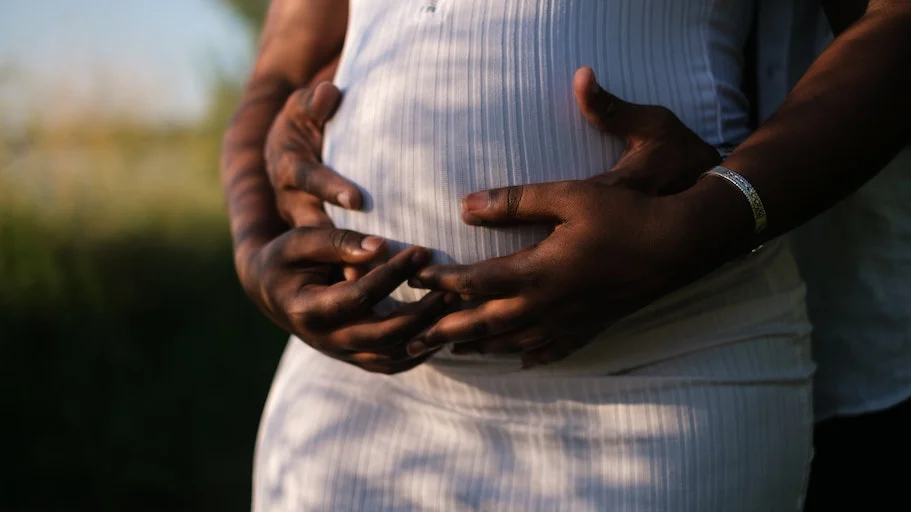
But just a few years later, everything changed. She found out she was pregnant.
Her first reaction was not fear. It was joy. For a brief moment, she allowed herself to imagine what life might look like as a mother. That feeling, however, didn’t last. When she told the baby’s father, his response was cutting and clear. He asked what she was going to do about it—and then he was gone.
Just like that, she was alone.
The weight of that reality set in quickly. The excitement she had felt gave way to uncertainty, then fear. She didn’t know how she would manage. She didn’t feel ready. And without support, the path ahead seemed too narrow. The messages she’d heard for years began to echo louder in her mind—that in situations like this, there really was only one option.
So, she complied with those cultural messages.
She went to Planned Parenthood, expecting guidance, maybe even reassurance. Instead, what she remembers most is how quickly everything moved. The conversations were brief. There wasn’t much time to sit with the decision or talk through what she was feeling. No one asked if she had someone to lean on. No one paused long enough to ask if she was certain.
It was transactional and fast.
She was given the drugs and instructions. The first dose she took at the center. The second set she took at home, alone.
Then things went terribly wrong.
What followed was not what she expected. The pain intensified, and soon she realized something wasn’t right. She began to hemorrhage lying in her bathtub.
She tried to call the abortion center, but no one answered.
As the bleeding worsened, she became weaker. Time blurred. At some point, a friend came by unexpectedly. And that was the moment everything changed. The friend found her, recognized the severity of the situation, and rushed her to the emergency room.
She received a lifesaving blood transfusion. Thankfully, doctors were able to treat her just in time. And she survived. As she puts it, “The abortion drugs almost killed me.”
In the days and weeks that followed, something in her began to shift.
It wasn’t immediate, and it wasn’t simple. But over time, through reflection, faith, and conversations with others, she began to see her experience differently. The beliefs she once held no longer felt steady. Questions surfaced—about the decision she made, about the system she trusted, about the life she almost lost, and ultimately about the life her child lost in her home.
Years later, she made the decision to speak about it publicly.
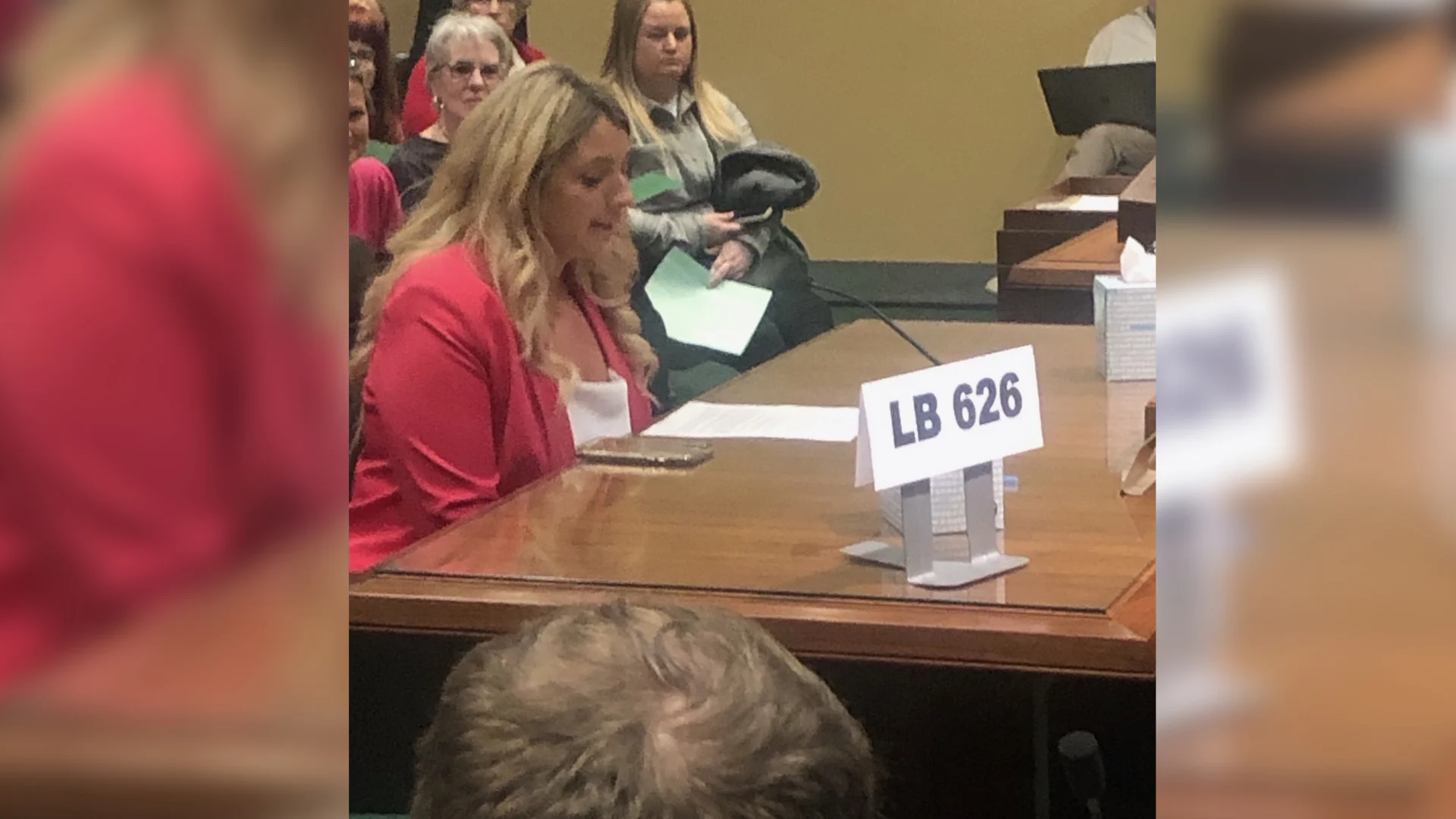
One of the most defining moments came when she stood before the Nebraska legislature to testify in support of a heartbeat bill. It was not an easy thing to do. Sharing something so personal meant revisiting pain she had carried quietly for years. But she did it anyway.
She told them plainly what had happened—that the process she had gone through had nearly taken her life.
For her, it was not about rehearsed arguments or polished language. It was about telling the truth.
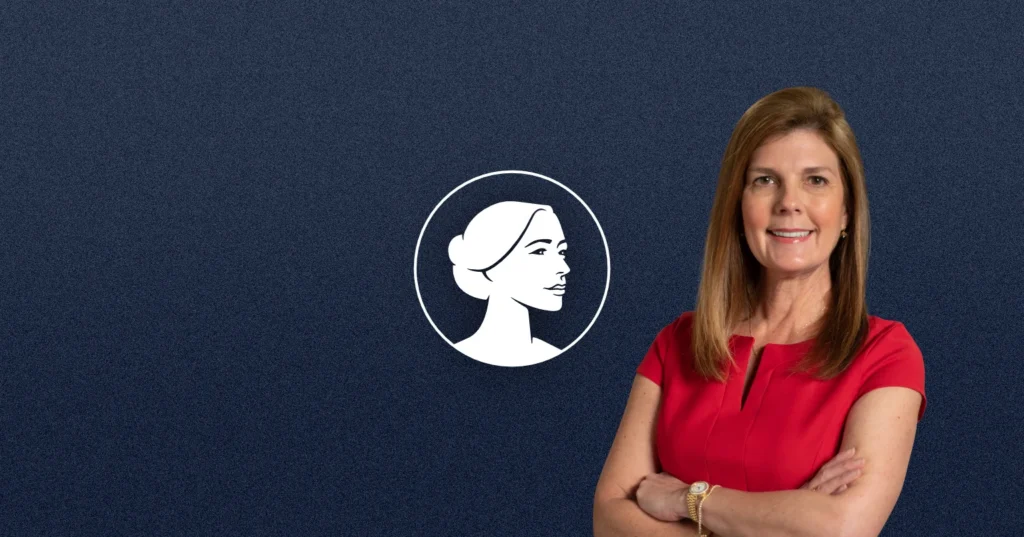
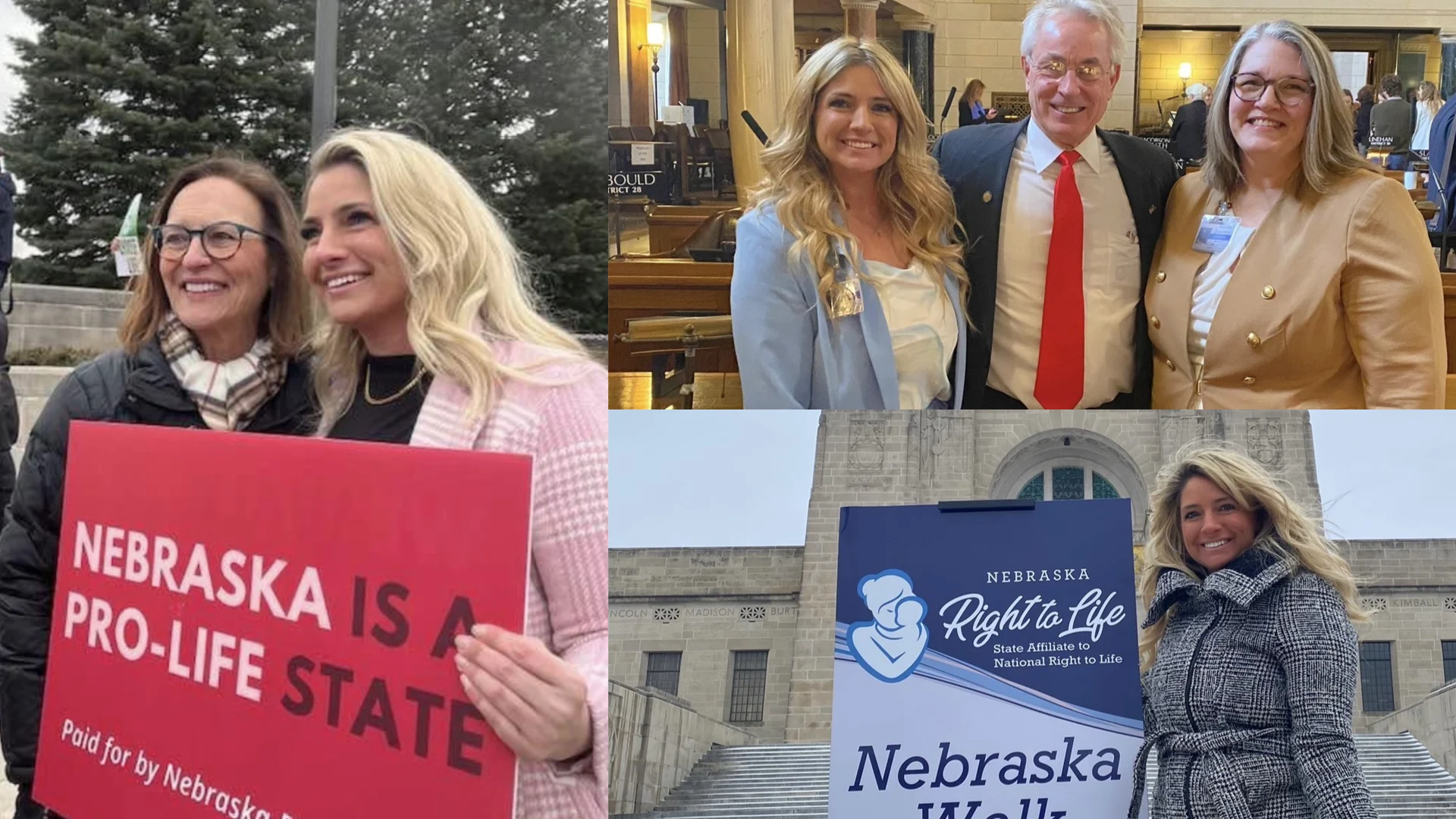
Today, McAnally serves with Republicans in Nebraska and is a strong pro-life advocate. Her views were not formed overnight, nor were they shaped in theory. They were shaped by what she endured.
Make your gift to serve women and save babies today.
SBA Pro-Life America's mission is to end abortion by electing national leaders and advocating for laws that save lives, with a special calling to promote pro-life women leaders. Your secure gift today will help to advance a culture of life and protect unborn children and their mothers from abortion.
Donate