









After the March for Life, More Work Ahead to Save Lives & Serve Moms
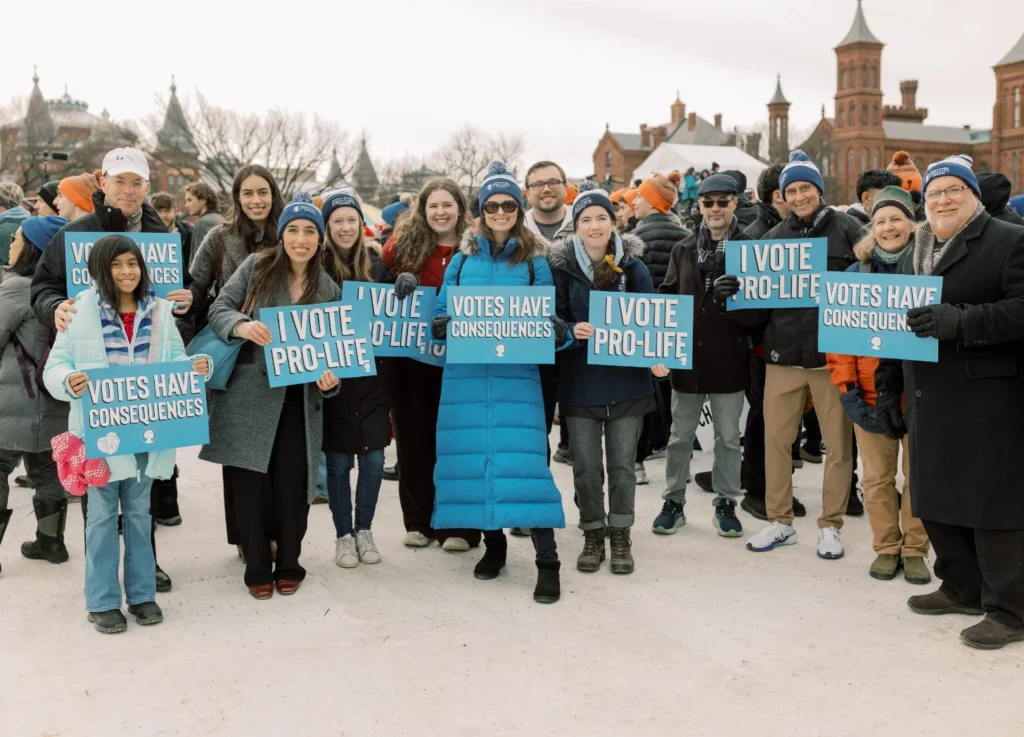
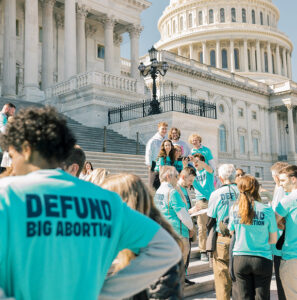
Drawing hundreds of thousands of grassroots pro-life advocates from virtually every corner of the nation, the March for Life is America’s largest annual pro-life demonstration and is always an inspiration. After Dobbs, the need to stand and raise our voices for the human rights of the unborn and to come together in support of their mothers not only continues but is more important than ever.
In a Washington Post op-ed, Dannenfelser laid out the movement’s current crossroads:
We celebrate that 20 states now have laws in effect protecting unborn children and their mothers before the first trimester ends. Yet there are more abortions now than before — at least 1 million a year. That makes abortion the nation’s top cause of death by far, driven by covid-era policies implemented under President Joe Biden that allow abortion drugs like mifepristone to be bought online and shipped without the patient ever seeing a doctor in person. Flooded with these mail-order drugs, even the most pro-life states cannot enforce their laws — undermining Trump’s “back to the states” position.
The day of the March, Dannenfelser joined C-SPAN’s Washington Journal to discuss the state of the movement:
- Flexible on the Hyde Amendment? “Great to be flexible on all sorts of things…yoga, what you eat tonight, what you’re going to wear.” Inappropriate, however, on the bedrock principle of not forcing taxpayers to fund the destruction of innocent lives.
- How big is the Republican Party’s pro-life voter base? “Enormous,” says Dannenfelser, rejecting the claim that pro-life voters are “the cheapest dates” in politics.
I speak every day with women and girls in moments of fear, pain, and confusion — often in the middle of the night, when no one else is willing to answer the phone. Over the past year, I have noticed a troubling pattern that should concern anyone who cares about women’s health, parental responsibility, and basic medical ethics.
The number of calls from women related to chemical abortions is increasing, as is the confusion. Women ask whether the amount of blood they’re losing is normal. They aren’t sure if they took the pills correctly, or at the right time, or in the right dose. Many don’t know how many weeks pregnant they are. They were told this would be simple, private, and empowering. In reality, it is often chaotic and isolating.
Ob-gyn Dr. Ingrid Skop added the voice of more than 30 years’ experience caring for patients as well:
In no other area of medicine are patients deliberately given drugs whose expected effects include significant pain and heavy bleeding — as well as other frequent complications — and then left to manage those effects without medical oversight. This intentional downgrading of medical care contrasts dramatically with the care provided to women in other pregnancy emergencies…
What the abortion industry has normalized with mail-order abortion drugs would be considered medical abandonment in any other situation.
We talked to grassroots marchers, including voters from the influential state of Iowa, who were knowledgeable on the subject of abortion drugs and want to see more action:
SBA’s Kelsey Pritchard, mom of four with one yet unborn, reacted:
“It is time for the Trump-Vance administration to act and at a minimum restore in-person dispensing, getting these dangerous drugs out of the mail. Doing so would allow states to enforce their laws, protect countless unborn lives, and restore essential medical oversight to stop the coercion and abuse of women nationwide.”
Add Your Name to Say You Stand for LIFE
When the U.S. Supreme Court overturned Roe v. Wade, our movement was given a historic opportunity. But the battle for life became much more difficult.
Add your name with thousands of others who are committed to protecting mothers the right to life for innocent unborn children.
Add My Name