





New DOJ Report Exposes Five Shocking Ways the Biden Admin Targeted Pro-Lifers
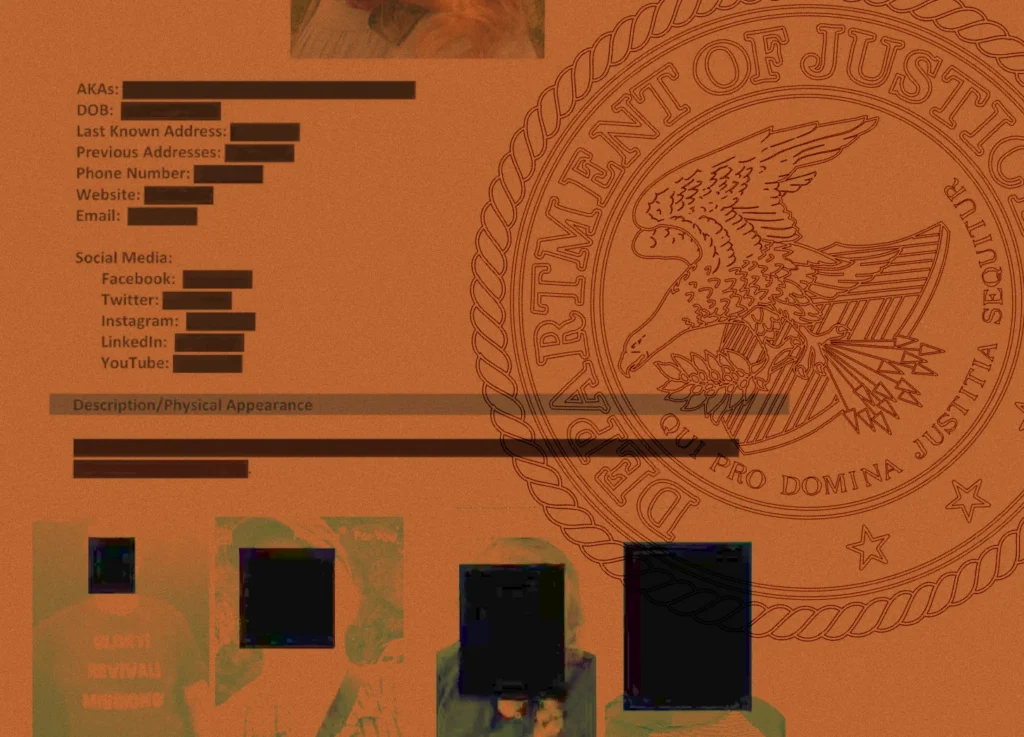
This week, a 900-page internal Justice Department review, based on more than 700,000 records, dropped a political bombshell. The report alleges federal law enforcement under the Biden administration used the FACE Act as a battering ram to unfairly target and unevenly prosecute pro-life Americans.
Here are five of the most shocking details that expose the rot found within the pages of this report.
1. An activist “tip pipeline” feeding federal investigations
One of the most striking details buried in internal emails was reportedly federal prosecutors relied on pro-abortion organizations to flag incidents in real time, sometimes triggering investigations almost immediately.
DOJ prosecutor Sanjay Patel referred to National Abortion Federation staffer Michelle Davidson as his “MVP” for repeatedly flagging pro-life protest activity. He added that her tips “usually result in an investigation/prosecution.”
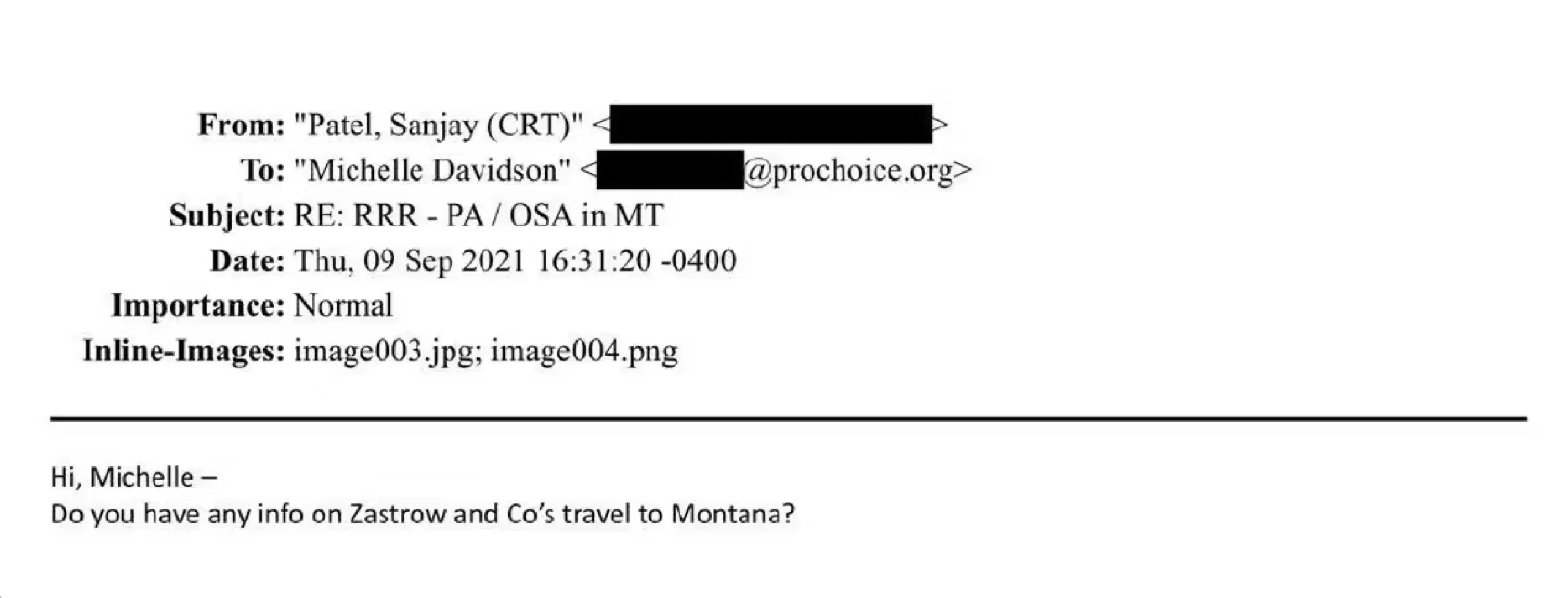
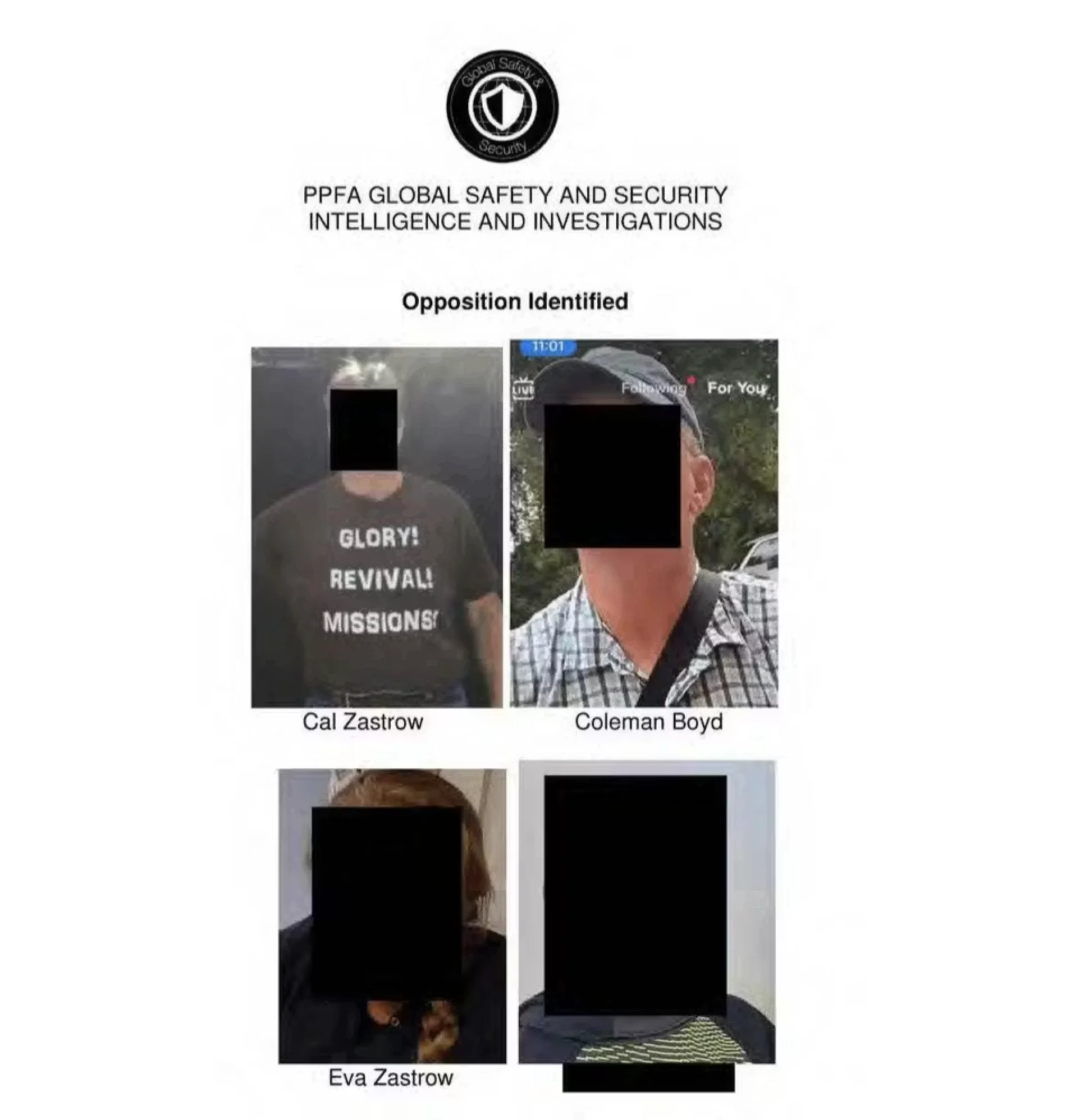
The emails go further. They reportedly show organizations like the National Abortion Federation compiling and sending dossiers on pro-life activists, including:
- Names and identifying details
- Photographs from protests
- Incident summaries and allegations
According to the report, some of the individuals included in these dossiers were later arrested by the FBI. That’s not incidental. That’s a pipeline. For many pro-lifer Americans, this confirms a long-standing fear that their political opponents have been coordinating federal action against them.
2. Years-long monitoring before charges were filed
The report claims pro-life advocates were tracked or monitored for years before charges were ever brought. This wasn’t reactive enforcement; it was prolonged observation.
A task force formed after the 2022 Dobbs abortion ruling allegedly worked to “monitor” individuals over extended periods, building cases slowly before acting. This detail represents a shift from prosecution to preemptive surveillance logic where individuals are watched over time, not just investigated after a clear incident.
3. A 16-agent FBI arrest over a nonviolent charge
One of the most widely cited incidents: the arrest of a pro-life father at his home by approximately 16-armed FBI agents, some carrying long guns. The alleged offense? A nonviolent FACE Act charge. Internal communications reportedly suggested part of the motivation was to seize phones and gather evidence, while one comment noted the FBI “likes to make arrests.” This moment became a visual symbol of the report’s broader accusations of aggressive enforcement tactics used in cases that did not warrant them.
4. Prosecutors allegedly removed Christian jurors
In one case cited in the report, internal documents showed government efforts to exclude Christian jurors from trial pools, with notes indicating they could be struck because of their beliefs. Other communications referred to certain defendants in derogatory and biased terms because of their religious faith. This revelation points to not just bias in prosecution, but potential bias in how juries were shaped, raising constitutional concerns about impartial trials.
5. Sentencing to the max: 26 months vs. 12 months
Perhaps the most concrete statistic in the report was that prosecutors allegedly sought average sentences of 26.8 months for pro-life defendants, compared to 12.3 months for pro-abortion defendants under the same law. Judges, according to the report, also handed down longer sentences on average. Numbers like this are hard to dismiss. This detail exposes a two-tiered system of justice, where similar offenses produced different outcomes depending on the defendant’s viewpoint. Confronted with the hard data, the bias is undeniable.
The bigger picture
- Taken individually, each of these moments might be dismissed as one-offs or flukes – but this report lays out a systematic process of weaponization against pro-life Americans:
- A tip pipeline with pro-abortion activist groups.
- Long-term monitoring of pro-life Americans before charges.
- High-intensity arrests for nonviolent cases.
- Religious filtering in jury selection.
- Statistical disparities in sentencing.
The report’s conclusion is that these patterns point to selective enforcement based on ideology, not law.
Conclusion
For years, claims of government bias against pro-lifers were often dismissed as exaggeration or partisan rhetoric. This report changes that conversation. Now, the bigger question isn’t just what happened. It’s what accountability, if any, comes next—and whether equal justice under the law will be more than just a promise moving forward. For pro-life Americans, this isn’t just about politics or headlines. It’s about something far more personal. It’s about whether a father praying outside an abortion center or a young volunteer handing out pamphlets can peacefully exercise their constitutional right to advocate for the defenseless without wondering if they’re being watched, reported, or treated as a federal threat.
Start a Fundraiser

We fight for the voiceless everyday and we want you to stand with us. Become a Champion of LIFE by being an official fundraiser for SBA.
Fundraise