








Abortion Drugs: America’s New Public Health Crisis
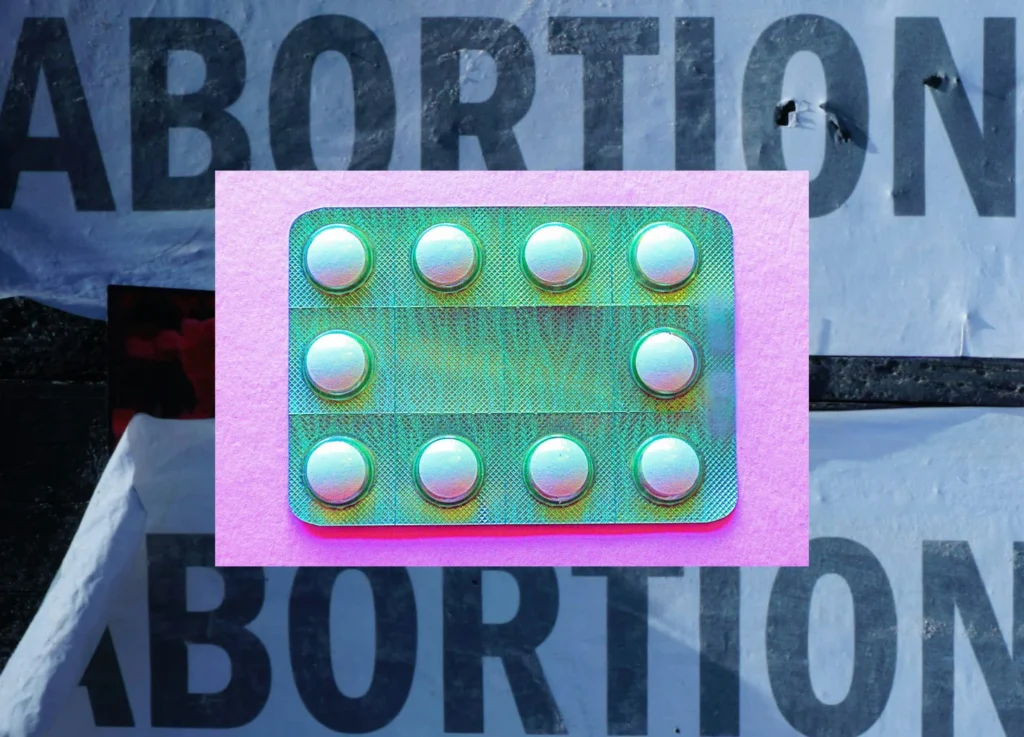
Abortion drugs now account for an estimated 63% of all abortions, and likely even more. In recent years, the risks have only grown. After the Biden administration eliminated commonsense FDA regulations for mifepristone, these dangerous drugs became easier than ever to obtain — often with little to no medical oversight or follow-up. The result is the deaths of millions of unborn Americans.
Women are also paying the price. Some have been poisoned by abusive partners or pressured and coerced by boyfriends or family members. Still others have suffered severe and even life-threatening complications after taking abortion drugs alone at home. Some women have died.
What was marketed as “safe and simple” has become a nationwide public health crisis.
The Mail-Order Problem
One year into the Trump administration, Joe Biden’s COVID-era mail-order abortion rule is still inexplicably in effect – erasing the doctor-patient relationship and stripping away basic medical safeguards. Abortion drugs can now be prescribed with little or no real medical interaction and shipped through the mail, even across state lines.
Key problems with this policy include:
- No physical exam or ultrasound to verify gestational age or rule out ectopic pregnancy, which can be fatal if untreated
- No screening for coercion or abuse, making it easy for abusers or traffickers to obtain abortion drugs and force them on women
- No assurance the woman herself ordered or consented to the drugs
- Delayed or inadequate emergency care, as women are told complications are “normal,” are often ill-prepared for the side effects and complications that come with abortion drugs, and are left to decide for themselves how sick is too sick.
- Circumvention of state laws, allowing abortion drugs to be mailed into states that have enacted protections for unborn children and their mothers
Women’s Stories: The Human Cost
The frequency and severity of news stories involving abortion drug abuse and coercion continues to rise. In one recent case, a man allegedly told police he could “make the decision for her” after secretly giving his pregnant partner abortion drugs.
- Ohio: An Ohio man ordered abortion drugs online and force-fed them to his pregnant girlfriend against her will. She was hospitalized, and her baby died.
- Texas: Catherine Herring’s ex-husband slipped abortion drugs into her drink 7 separate times. Catherine suffered severe complications along with her baby.
- Louisiana: Rosalie Markezich of Louisiana recently sued the FDA after her boyfriend forced her to abort her wanted baby using abortion drugs he ordered online.
These stories are not anomalies. They are the predictable outcome of a system that removed safeguards and ignored the realities of abuse, coercion, and health complications. Read more stories here.
What the Science Shows
Alongside real-life accounts, a growing body of peer-reviewed evidence shows these drugs are far more dangerous than advertised, putting women and girls at serious risk.
The Myth of “Safer Than Tylenol”
Recent peer-reviewed research from the Charlotte Lozier Institute debunks the claim that abortion drugs are safer than the common painkiller Tylenol—a talking point aggressively promoted by pro-abortion politicians and organizations like Planned Parenthood. The comparison is misleading and unsupported by real-world data.
Complication Rates Are Far Higher Than Advertised
- Severe ER visits: Approximately 75% of emergency room visits following abortion drug use were coded as severe or critical.
- Intense pain: Around 40% of women reported severe pain, rating it between 8 and 10 on the pain scale.
- Alarming ER trends: New analyses from Restoration of America Foundation and the Ethics & Public Policy Center show 11% of women suffer severe adverse effects from the drugs.
- Four times the risk: International studies show abortion drugs carry four times the risk of complications compared to surgical abortion.
What Voters Think
In March 2026, an 85 Fund poll conducted by CRC Research surveyed 1,600 likely voters nationwide.
- Seven in 10 voters overall support the FDA reinstating in-person medical evaluations, both before and after taking abortion drugs, to minimize the risk of complications and ensure women have ongoing care. This includes 61% of liberals, 66% of Democrats, 68% of Independents, and 69% of women.
- 62% of voters are more likely to support requiring in-person medical evaluation when they know abortion drugs are being ordered online by men and used on pregnant women without their knowledge or consent.
- A plurality (46%) of voters are less supportive of mail-order abortion drug distribution when they know about 1 in 25 women who take mifepristone require emergency medical treatment.
In February 2026, Cygnal conducted a poll among likely GOP voters. Key findings include:
- 80%, including 84% of self-described Trump Republicans and 85% of MAHA Republicans, believe the FDA should require in-person visits for abortion drugs.
- 72% oppose the FDA’s decision to approve generic mifepristone before completing the safety review Kennedy promised.
- 86% oppose federal tax dollars being used to fund abortions.
- 32% would be less enthusiastic about voting in the November midterm election if GOP leaders abandon pro-life policies and 34% would be less willing to volunteer – numbers that rise even higher among the most engaged GOP voters.
In August 2025, McLaughlin & Associates surveyed 1,600 likely 2026 general election voters on abortion drug policy.
- 7 in 10 voters — including 57% of liberals — support requiring an in-person doctor visit
- 8 in 10 oppose abortion drugs being obtained online or from foreign sources and given without consent
- 9 in 10 support accurate FDA drug labels
- 7 in 10 support screening for coercion or abuse
- Nearly 3 in 4 agree in-person care is informed consent, not a restriction on women’s rights
What the States Are Doing
In response to the federal government’s abandonment of safety standards, states are attempting to protect women and uphold the rule of law. Across the country, pro-life states are pushing back through legislation, lawsuits, and enforcement actions.
Litigation and Enforcement
- Missouri, Kansas, and Idaho have joined forces in federal court to challenge the FDA’s loose regulatory regime and approval of new generic mifepristone, arguing that mail-order abortion drugs undermine both women’s safety and state pro-life laws.
- Florida and Texas Attorneys General sued the FDA over its illegal approval and progressive removal of abortion drug safeguards. As the states note, “The FDA’s regulation of mifepristone was political from the start,” with the Clinton administration redefining pregnancy as an illness to rush the drug to market.
- Louisiana’s Attorney General along with abortion drug coercion survivor Rosalie Markezich, is suing the FDA. Abortion drug poisoning is a crime in Louisiana—but out-of-state actors continue to mail the drugs in anyway.
“If the Biden FDA had not removed in-person dispensing, my then-boyfriend would not have been able to obtain abortion drugs and pressure me to take them against my will,” Markezich says — and her baby would still be alive.
State Legislation
- Louisiana became the first state to add abortion drugs, including mifepristone and misoprostol, to its controlled substances schedule in Spring 2024. This preserves legitimate medical use — such as miscarriage care –while giving law enforcement tools to prevent abuse and illegal distribution.
- In Fall 2025, Texas enacted a comprehensive law allowing private citizens to sue abortion drug companies, even if they are headquartered out of state or overseas.
“Shield laws”
- Since Dobbs, nearly every blue state has passed some form of “shield law,” shielding abortionists who unlawfully ship abortion drugs into pro-life states from legal consequences. In 2025, states like New York and California extended their shield laws to allow abortionists to send prescriptions without the prescriber’s name, meaning the recipient cannot communicate with the prescriber if she has questions or concerns.
- Texas and Louisiana are challenging blue-state shield laws after each pursued legal action against New York-based abortionist Dr. Margaret Carpenter, who allegedly mailed abortion drugs into pro-life states that sent women to the hospital.
Together, these actions reflect a growing consensus among states: mail-order abortion drugs are dangerous and incompatible with basic standards of women’s health and safety.
Ultimately, as Louisiana Attorney General Murrill points out, the states cannot do it alone – national leadership is needed:
“New data show that the problem far outpaces individual enforcement efforts. Pro-abortion states have refused to enforce judgments or extradite mail-order abortion drug providers… A growing number of states have also started anonymizing abortion drug prescriptions ‒ making enforcement at this granular level all but impossible.”
Conclusion
Abortion drugs were sold to the American public as safe, private, and empowering. The evidence now tells a far different story. Mail-order abortion has fueled coercion, concealed abuse, overwhelmed emergency rooms, and placed women in serious danger — all while ending the lives of countless unborn children.
“This is not health care. Women deserve better than dangerous drugs sent through the mail with no medical oversight. Unborn children deserve protection, not starvation and death cloaked by the veneer of “medicine.” And the American people deserve honesty from federal agencies and politicians who claimed safety while ignoring mounting evidence of harms.
“Restoring commonsense safeguards, enforcing the law, and putting women and children first is not extreme — it is responsible, humane, and long overdue.”
— Katie Glenn Daniel, director of legal affairs and policy counsel at SBA Pro-Life America
Start a Fundraiser

We fight for the voiceless everyday and we want you to stand with us. Become a Champion of LIFE by being an official fundraiser for SBA.
Fundraise